Continuous Controls Monitoring Software
Continuous Controls Monitoring That Works Between Audits
Most continuous controls monitoring tools hand you a fixed library of tests and call it done. Hyperproof lets you build, customize, or import your own so you’re testing the controls that actually reflect how your organization operates.
Automatically test and monitor your internal controls continuously to keep your compliance posture audit-ready. Achieve continuous compliance with Hyperproof.
Trusted by:






Point-in-time testing leaves gaps. Continuous monitoring closes them.
Most GRC teams still rely on manual, periodic control testing.
The result? Risks go undetected between audits, remediation is reactive, and GRC teams spend more time gathering evidence than managing risks.
Hyperproof changes that. By automating control testing across your existing systems, Hyperproof gives you real–time visibility into control health. Get a clear picture of your compliance posture every day, not just at audit time.

Make GRC a competitive advantage

Reduce manual testing overhead
Automate high-frequency control tests and free your compliance and internal audit teams to focus on higher-stakes work. More coverage, less headcount strain.

Increase accountability
Assign control ownership directly in Hyperproof. When a test fails, the right person is notified immediately — not weeks later during a review cycle.

Give leadership real visibility
Replace static spreadsheet snapshots with live dashboards. Executives get the assurance they need; GRC teams get the credibility they’ve earned.
How to set up continuous controls monitoring in Hyperproof
Step 1
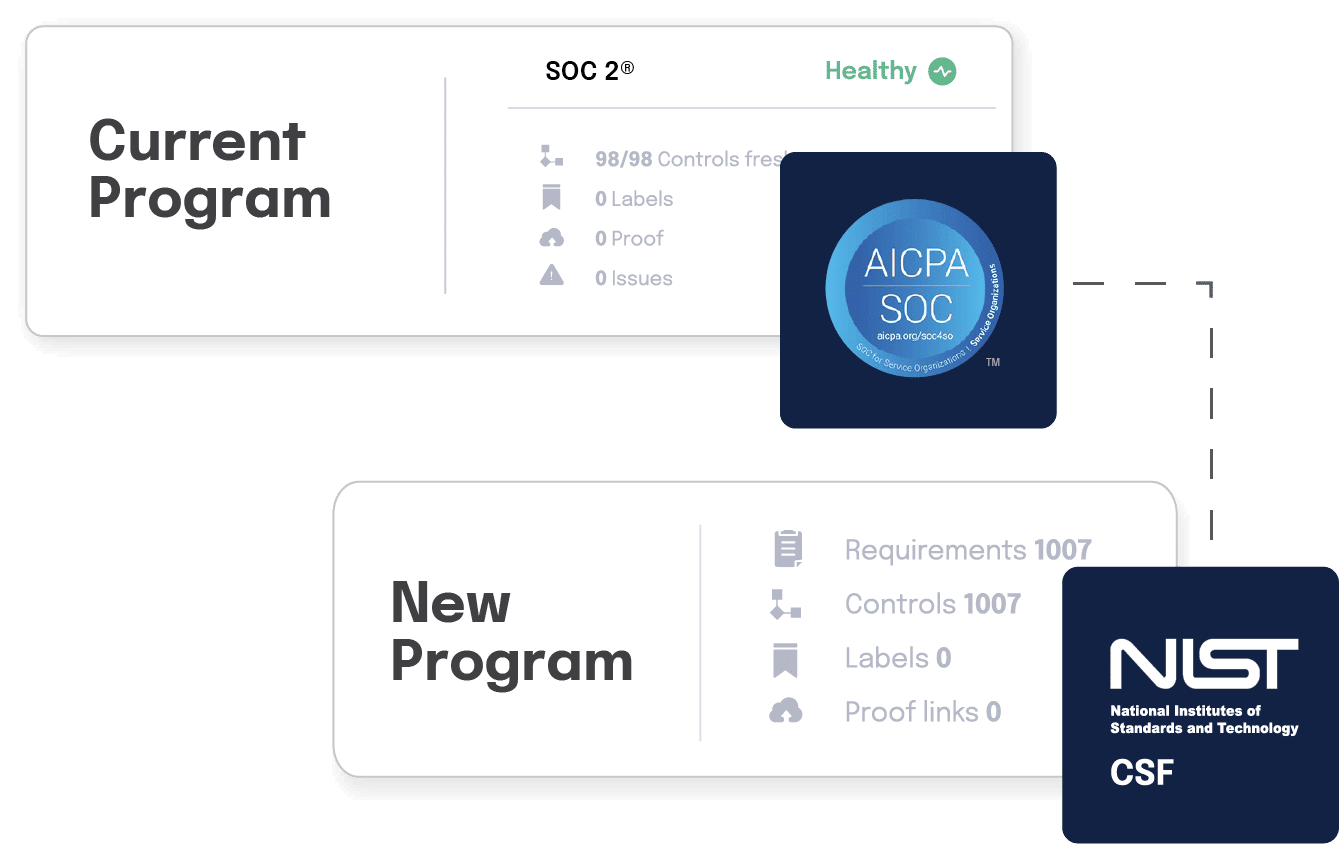
Import and organize your controls
Bring existing controls into Hyperproof from a spreadsheet or build them from scratch. Organize by criticality, domain, and owner, so testing coverage maps to actual risk exposure.

Step 2
Connect your data sources (optional)
Attach Hypersyncs to your controls to pull in live data from your existing tools such as identity providers, endpoint management platforms, vulnerability scanners, and more. Hyperproof uses these connections as the foundation for automated testing.
Step 3
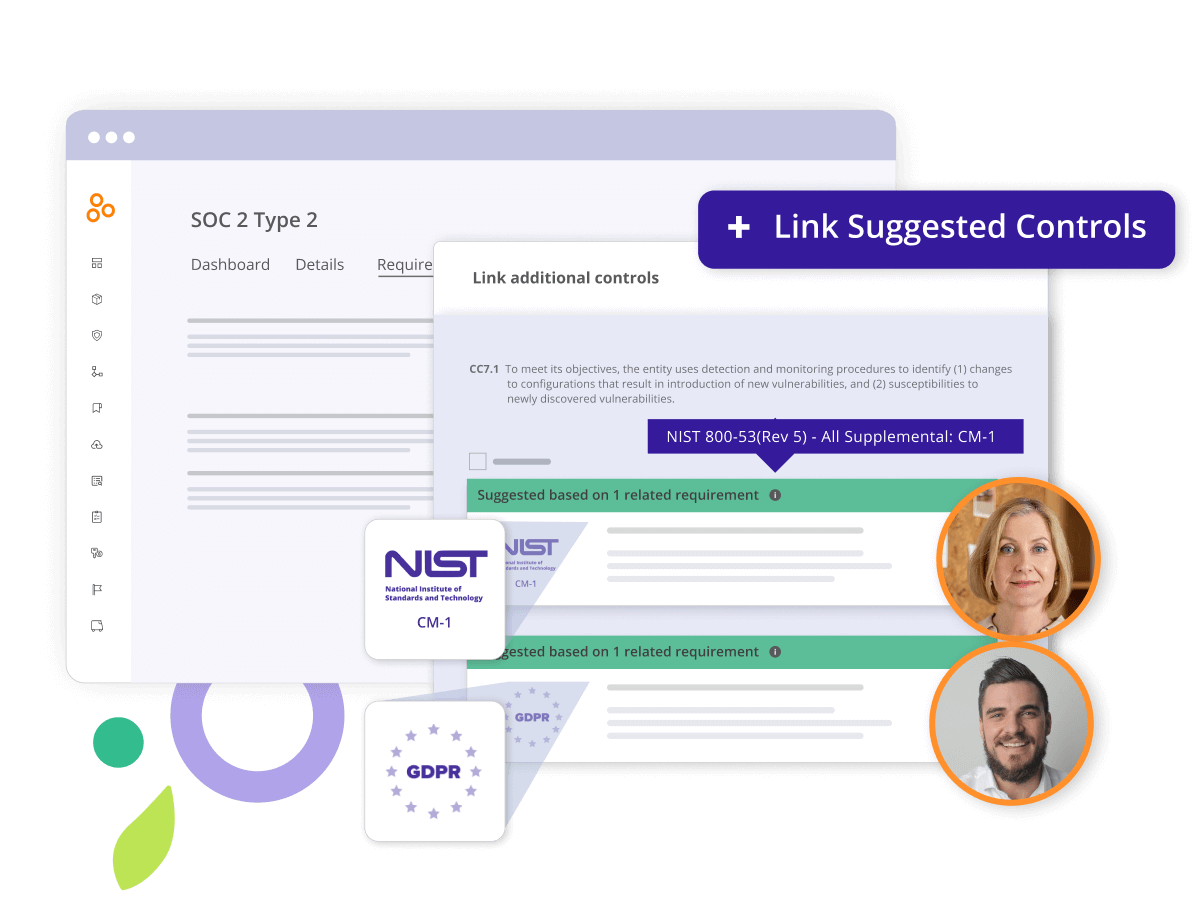
Identify good candidates for automation
The best controls to automate are high-frequency processes that generate structured, consistent data like access reviews, endpoint compliance checks, and vulnerability patch timelines. Hyperproof’s continuous controls monitoring tools are built to plug directly into these data streams. If you’ve connected a Hypersync, Hyperproof will automatically recommend tests based on the data it’s already collecting — so you can get started without building from scratch.
Step 4
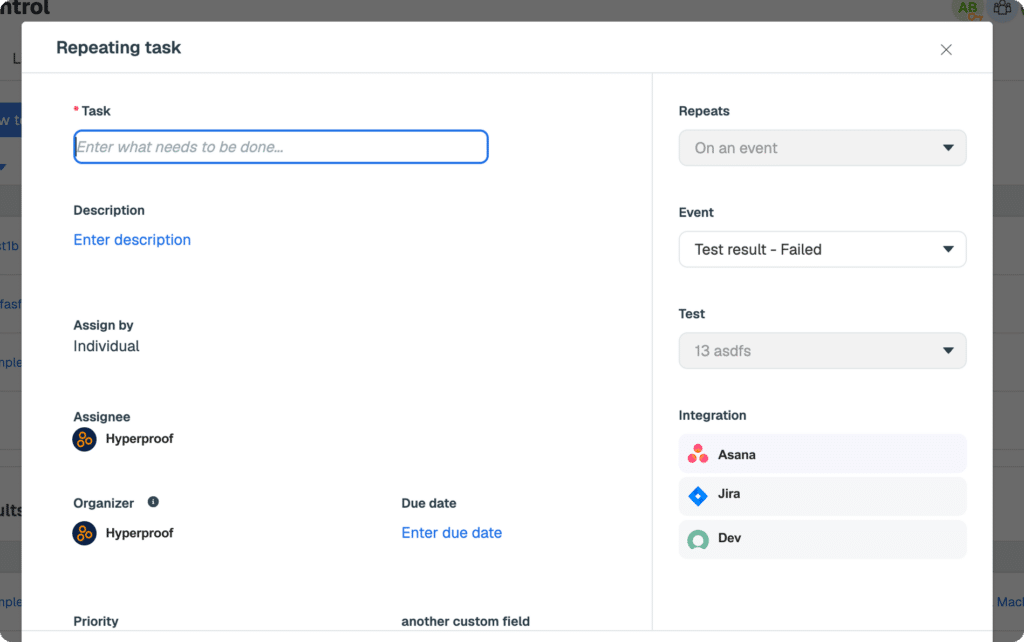
Build automated tests
Write tests for individual controls or groups of related controls using Hyperproof’s flexible test builder. The syntax will feel familiar if you’ve used Excel functions and formulas — no engineering support required.
Step 5
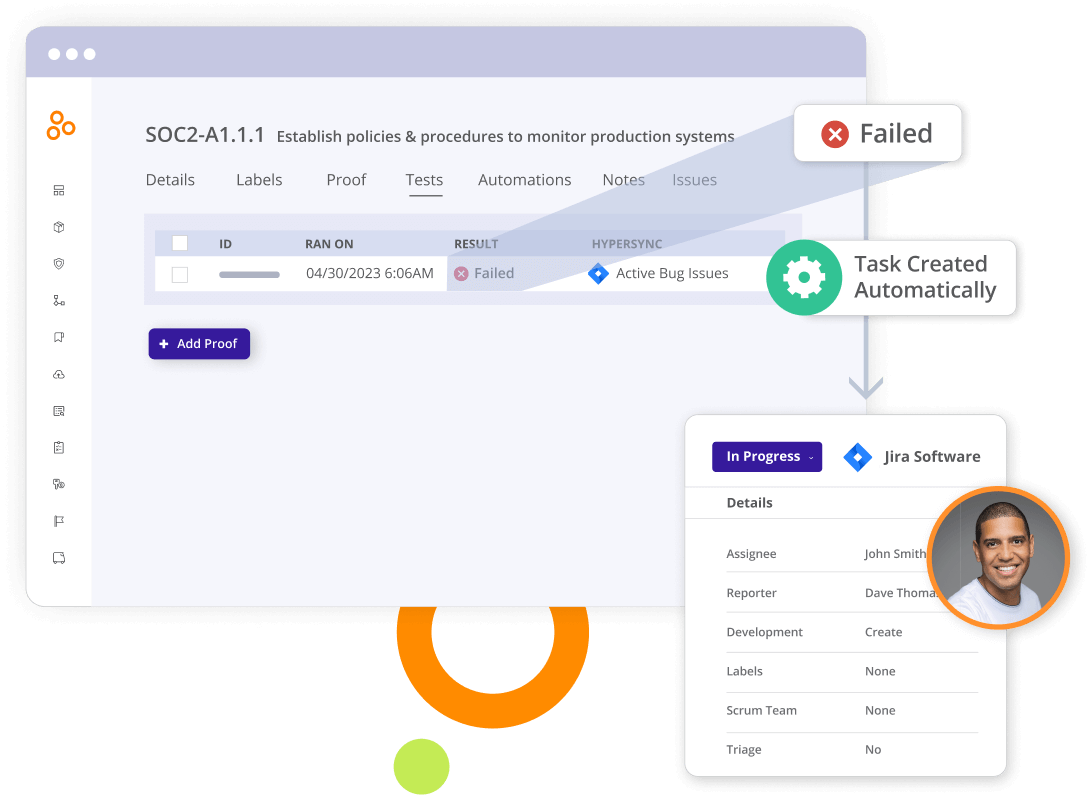
Define failure responses
Specify what happens when a test fails: who gets notified, what the escalation path looks like, and how urgency is triaged. Responses are configurable at the control level.
Step 6
Monitor through live reports
Build custom dashboards that track automated control health in real time. Over time, these reports become the operational backbone of your continuous controls monitoring program — and your strongest evidence artifact at audit time.

As someone who has to manage multiple work streams across both the compliance and security functions, I view technology as critical in helping me reduce routine work and make time to focus on the more strategic items. By setting up automated control tests in Hyperproof, I can worry less about those controls, focusing my time on managing critical controls.
TONY DELL’ARIO
Senior Compliance Manager // Highspot

How teams use continuous controls monitoring
Move away from point-in-time compliance. Automatically verify security posture, alert stakeholders to drift, and streamline audit evidence collection in real time.

Identity and Access Management (IAM)
Automatically compare user lists and IAM access levels to flag role mismatches or orphaned accounts, including terminated employees who should have been deprovisioned.

Endpoint security
Integrate with device management systems to continuously confirm endpoints are encrypted, patched, and configured to policy, not just quarterly.

Vulnerability management
Verify that critical vulnerabilities are being patched within policy timelines. Hyperproof integrates with your vulnerability management tools to create a verifiable chain of events for auditors.

Evidence gathering
Connect to SIEMs and logging tools to maintain a continuous, timestamped paper trail so audit prep is an export, not a scramble.

Code deployment controls
Confirm that designated approvers reviewed all code before production deployment and that critical branches in GitHub are protected.
Transform your GRC program from a cost center to a strategic partner
The immediate payoff of continuous controls monitoring is operational: less manual testing, faster remediation, and reduced audit fatigue. But the longer-term value is strategic. When control health is a real-time metric rather than a periodic report, GRC teams can advise leadership on calculated risk-taking with confidence rather than just confirming that the controls were working last quarter.
Hyperproof gives GRC teams the data and the credibility to be in that conversation.
Frequently Asked Questions (FAQs)
Achieve continuous compliance
Replace reactive, periodic testing with a program that runs every day. Hyperproof makes continuous monitoring practical for teams of any size.