Beyond the CISO: Aligning Stakeholder Needs for GRC Platforms in 2026

Updated on: Sep 18, 2026 4 Minute Read
GRC decision-making is becoming more consequential. Leading risk and compliance professionals no longer make choices solely to satisfy auditors or check regulatory boxes. They make decisions that directly affect how quickly the business can onboard vendors, enter new markets, meet customer assurance demands, and respond when something goes wrong.
In Hyperproof’s 2026 IT Risk and Compliance Benchmark Report, respondents shared details on their approach to GRC decision-making. Shared decision-making is a reality in many organizations today, and ensuring alignment across the organization is critical for successful GRC implementations.
The reality of shared GRC decision-making
Many respondents reported playing a primary role in cybersecurity and risk management decisions. This concentration of decision ownership can enable faster prioritization, clearer accountability, and more consistent direction across the program. It also reflects the reality that risk and compliance decisions often require a single point of authority to balance business needs, regulatory requirements, and security constraints.
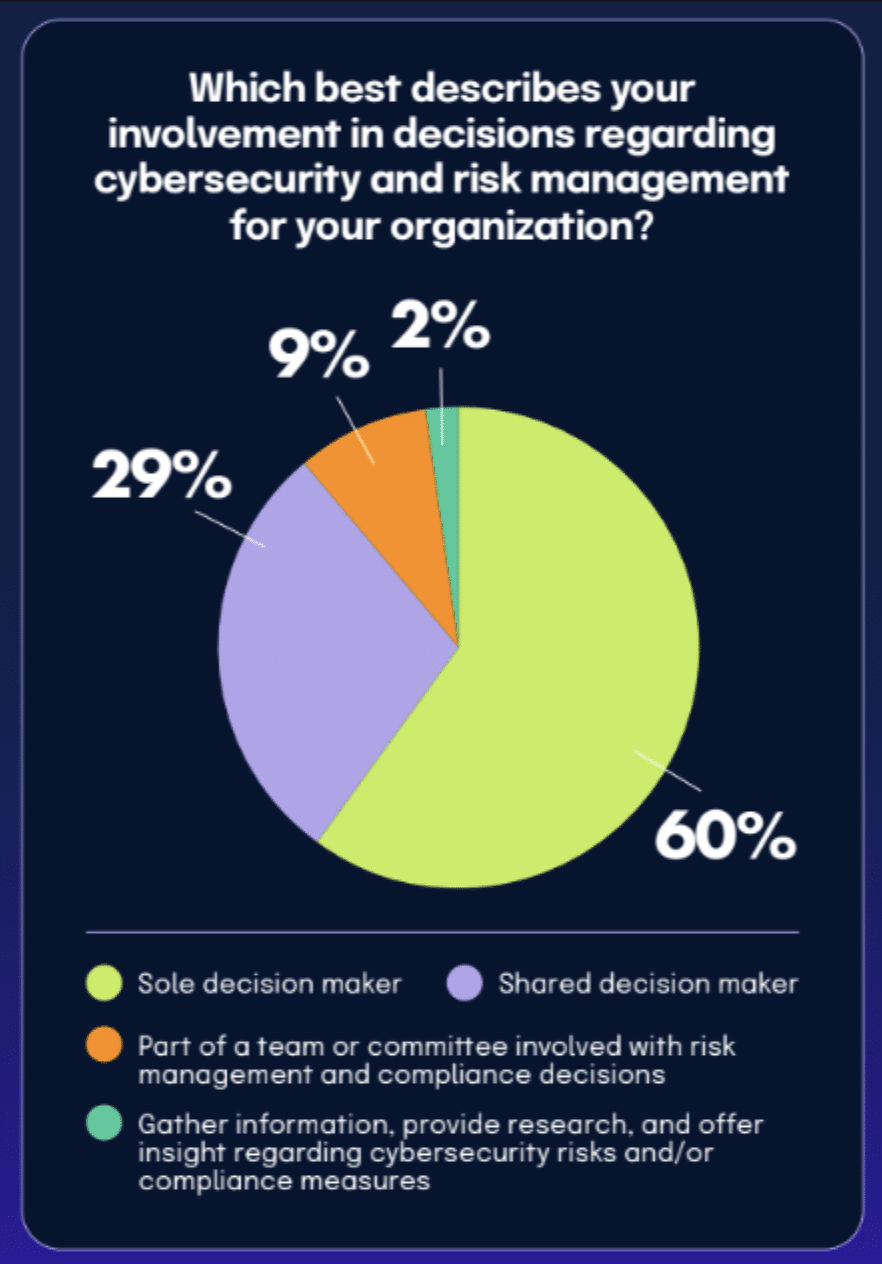
However, the presence of shared decision-making and committee-based involvement signals an equally important reality. As programs scale, decisions about risk and compliance tooling tend to involve multiple perspectives because the outcomes affect multiple parts of the organization. A platform decision touches compliance operations, audit readiness, security controls, IT workflows, and procurement processes.
Ensuring stakeholder buy-in for your GRC investment
When assessing a GRC platform investment, you’ll want to address the needs of all affected parts of the organization.
The following cross-functional checklist is a helpful starting guide to ensure that the proposed GRC platform meets department objectives. Passing these criteria means your selected solution is better positioned for adoption, smooth integration, and zero friction from the non-GRC teams who drive daily control execution.
1. IT & DevOps Engineering
Objective: Ensure evidence collection is automated and fits existing developer workflows without adding manual labor.
- Automated Evidence Collection: Connects directly via APIs to your sources of data to pull evidence automatically.
- In-Workflow Task Management: Syncs bidirectional tasks directly into native developer tools (e.g., Jira, ServiceNOW, Asana) rather than requiring engineers to log into a separate portal.
- Agentless Integration: Continuous collection of evidence across multiple platforms without requiring custom, resource-heavy agents on production instances.
- Continuous Monitoring: Supports continuous control testing and alerting over periodic, manual screenshot exports.
2. Procurement & Vendor Management
Objective: Streamline third-party risk management (TPRM) and prevent vendor onboarding bottlenecks.
- Vendor Assessment Automation: Uses standardized questionnaires (e.g., CAIQ) and AI-assisted parsing to evaluate incoming vendor security posture automatically.
- Unified Risk Register: Shares a common set of risks with the Hyperproof GRC platform, allowing risk reviews during intake and onboarding.
- Scalable Licensing Model: Includes flexible or unlimited seats for external vendors completing questionnaires to avoid ballooning seat-license costs.
3. Legal & Corporate Compliance
Objective: Maintain governance alignment, policy distribution, and regulatory audit-readiness.
- Policy Life-Cycle Management: Automates policy drafting, version control, periodic reviews, and employee attestation tracking in a single centralized system.
- Cross-Framework Mapping: Maps a single control or policy action across multiple compliance standards (e.g., SOC 2, ISO 27001, HIPAA, NIST CSF) to eliminate duplicate work.
- Granular Role-Based Access Control (RBAC): Restricts data visibility based on role and department, keeping sensitive legal and compliance records isolated when needed.
4. Finance & Procurement Approval
Objective: Ensure cost predictability, clear ROI, and manageable total cost of ownership (TCO).
- Predictable Pricing Structure: Uses clear, tier-based or node-based pricing rather than per-user seat fees that discourage cross-departmental adoption.
- Resource Efficiency Impact: Clear metrics demonstrate a measurable reduction in manual engineering/operations audit-prep hours within the first 6–12 months.
- Fast Time-to-Value: Includes pre-built control frameworks, automated mapping, and out-of-the-box integrations to deploy within weeks instead of months.
5. Security & Risk Leadership (CISO/CRO)
Objective: Achieve real-time visibility into risk posture and maintain audit readiness under executive scrutiny.
- Real-Time Executive Dashboards: Provides clear, visual reporting on control health, risk exposure, and audit readiness without manual data compilation.
- Auditor Portal Access: Offers dedicated, read-only workspaces for external auditors to review evidence directly within the platform.
- Centralized Risk Register: Maps operational risks directly to mitigation controls and business impact levels across all business units.
GRC execution increasingly depends on distributed participation across IT, engineering, security, legal, procurement, and business owners who must provide evidence, perform control activities, and respond to issues on tight timelines. The best GRC software for your organization will be able to support these constituents and meet these important cross-department criteria.
Take the learnings from the 2026 IT Risk and Compliance Benchmark Report into planning sessions for 2027
Related Resources

Ready to see Hyperproof in action?